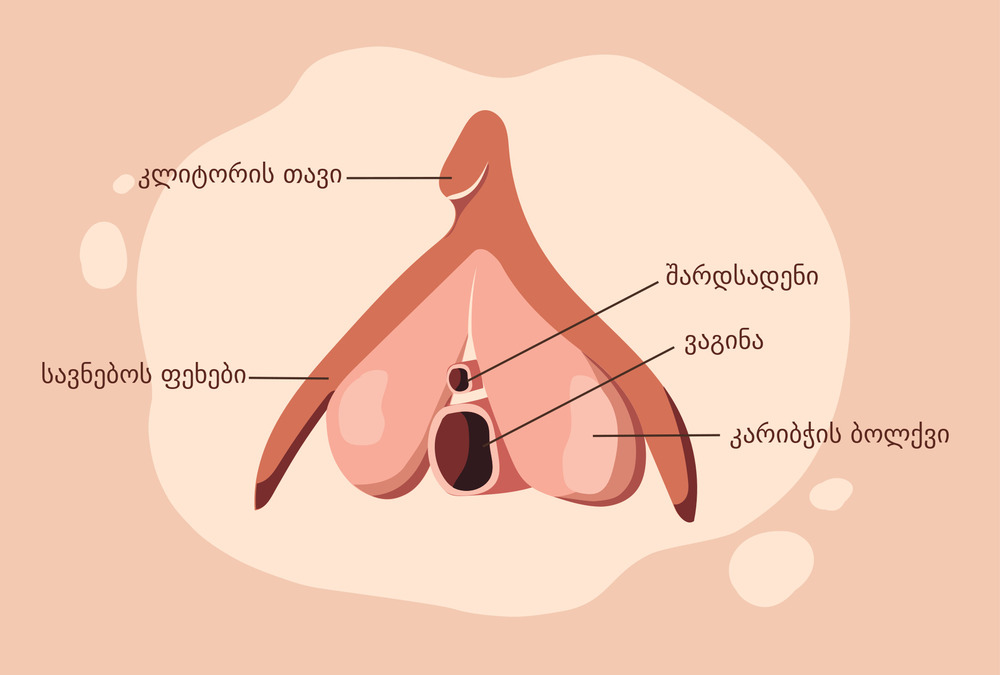
Squirting — the release of fluid during arousal or orgasm — is still a subject of research, but the available data tells us a few things.
Physiological basis According to a 2015 French study (which used ultrasound to study the process), the fluid secreted comes mainly from the Skene's glands—small glands around the urethra that are anatomically homologous to the male prostate. It is not urine, although its composition is somewhat similar to dilute urine.
The connection with G-spot stimulation Not all women squirt, and its absence says nothing about the intensity of arousal — studies show that it is more a matter of anatomical considerations than an indicator of "orgasm quality."
The Emotional Side For many women, it is precisely giving up control—not “holding back,” but rather letting their bodies do the work—that leads to squirting. Overcoming fear and shyness, and finding a safe and judgment-free environment, are often essential prerequisites for this process.