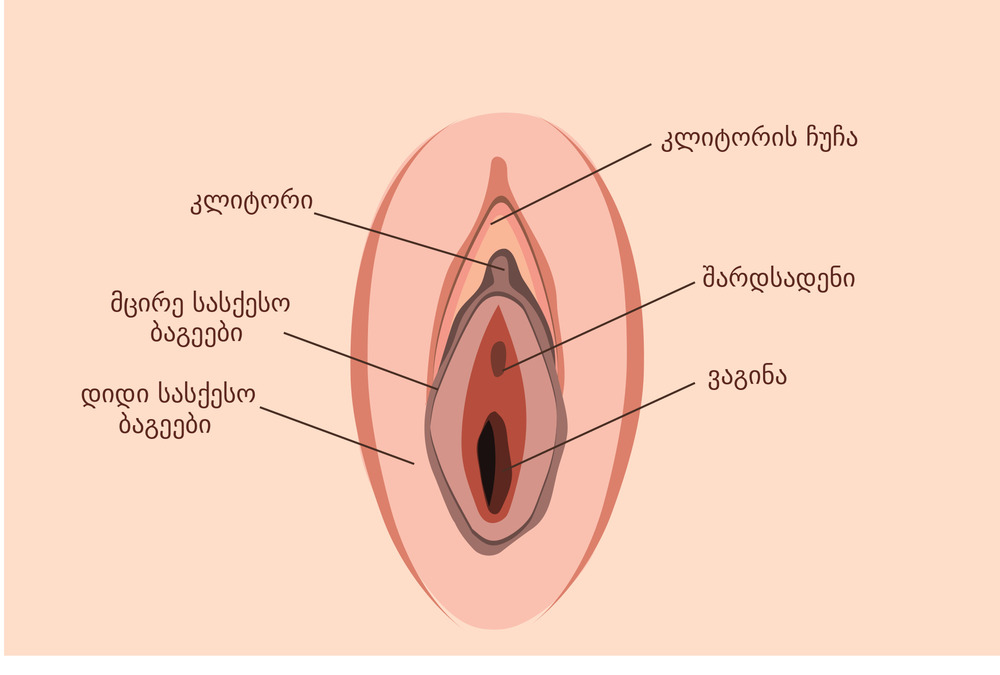
Female sexuality is multi-layered and inexhaustible. According to research in The Journal of Sexual Medicine, for the majority of women (about 70-80%) direct or indirect stimulation of the clitoris is necessary to achieve orgasm, as the clitoris contains more than 8,000 nerve endings — twice as many as the male genitalia.
Where is the G-spot? The G-spot (Grafenberg's zone) is not a separate organ; it is a neurovascular tissue located on the anterior wall of the vagina, approximately 4-5 centimeters from the entrance. When aroused, it becomes slightly denser and more raised (similar to the surface of a walnut).
How to achieve ecstasy: 1. "Come here" movement: a light bending movement with a finger or a toy of appropriate shape on the front wall of the vagina. 2. Selection of positions: positions where the angle is directed towards the front wall (for example, when the partner is on top, or a pillow is placed under the pelvis). 3. Combined stimulation: simultaneous caressing of the clitoris and G-spot creates the strongest orgasmic feeling.
Patience, tenderness, and complete relaxation with your partner are the best keys to orgasm.