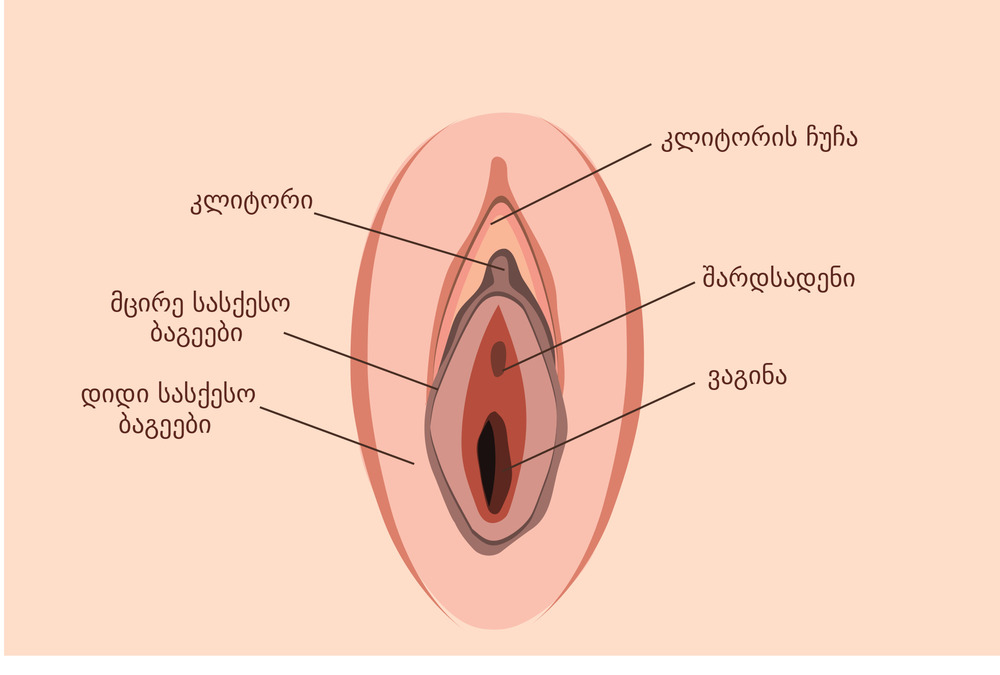
Temporary hypersensitivity of the clitoris after orgasm (so-called postorgasmic sensitivity) is a physiologically normal reaction — not a problem, but a sign of a temporary "reboot" of the nervous system.
Why does this happen? After orgasm, blood flow and nerve excitability suddenly change — the same touch that was pleasant a minute ago can suddenly become unpleasant or even painful.
How to avoid discomfort Immediately stop direct contact after orgasm, replacing it with indirect caresses (e.g. on the thighs or stomach) — the body needs time to "come back."
When to See a Doctor If sensitivity or pain persists without stimulation, or is accompanied by a burning sensation in daily life, it is recommended to consult a gynecologist - this may be a sign of vulvodynia or another condition.
Communication with your partner Agreement in advance that touch should stop or change after orgasm makes the experience more comfortable for both of you.